-
FAQ on HICLOVER Waste Incinerator Solutions: Technical Insights for Engineers and Project Financing
FAQ on HICLOVER Waste Incinerator Solutions: Technical Insights for Engineers and Project Financing In today’s rapidly evolving industrial environment, waste management remains a critical concern for engineers and technical professionals across diverse sectors. HICLOVER waste incinerator, a leading brand in innovative waste incineration technology, offers advanced solutions to meet stringent emission standards and operational efficiency. This FAQ article addresses the most common queries regarding HICLOVER products, including the incinerator for radioactive waste, incinerator for HICLOVER waste solutions, and incinerator project financing, while delving into the technical facets and design features of waste incinerators. Introduction to HICLOVER Waste Incinerators HICLOVER has built a solid reputation by delivering a comprehensive range of…
-
HICLOVER Oilfield Camp Domestic Waste Incineration Solution
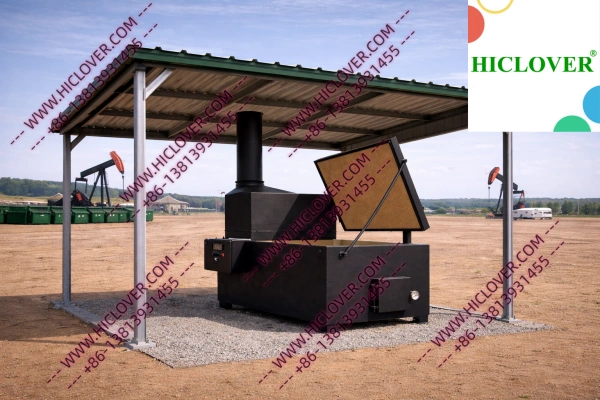
HICLOVER Oilfield Camp Domestic Waste Incineration Solution (Stable Operation | Low Smoke & Low Odor | Modular & Mobile Deployment) Oilfield camps and remote workforce accommodations generate domestic waste every day. This camp waste typically includes food waste (high-moisture organics), plastic packaging, cartons, disposable items, and cleaning consumables. In real field conditions, the waste stream is often mixed, wet, and inconsistent, which can lead to odor issues, smoke peaks, and unreliable burning performance if not handled with a purpose-built system. The HICLOVER Oilfield Camp Domestic Waste Incineration Solution is designed for on-site waste disposal in remote locations where landfill access is limited and off-site transportation is expensive. It supports practical camp operations by…
-
r5vg7
HICLOVER Oilfield Camp Domestic Waste Incineration Solution (Stable Operation | Low Smoke & Low Odor | Modular & Mobile Deployment) Oilfield camps and remote workforce accommodations generate domestic waste every day. This camp waste typically includes food waste (high-moisture organics), plastic packaging, cartons, disposable items, and cleaning consumables. In real field conditions, the waste stream is often mixed, wet, and inconsistent, which can lead to odor issues, smoke peaks, and unreliable burning performance if not handled with a purpose-built system. The HICLOVER Oilfield Camp Domestic Waste Incineration Solution is designed for on-site waste disposal in remote locations where landfill access is limited and off-site transportation is expensive. It supports practical camp operations by…
-
Incinerator Suppliers in Fiji: Choosing a Reliable Waste Incinerator for Islands, Hospitals, and Remote Operations
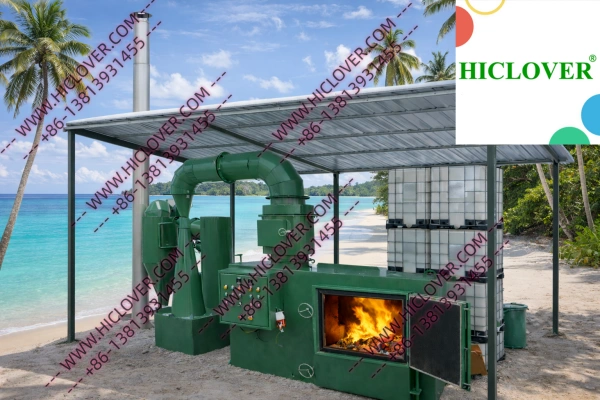
Incinerator Suppliers in Fiji: Choosing a Reliable Waste Incinerator for Islands, Hospitals, and Remote Operations Fiji’s stunning island geography brings unique advantages for tourism and regional development, but it also creates real challenges for waste handling. Limited landfill capacity, high transportation costs between islands, coastal environmental protection requirements, and the need for reliable sanitation systems all contribute to increasing demand for practical incineration solutions. For buyers searching incinerator suppliers in Fiji, the priority is not only finding a waste incinerator for sale, but sourcing a system that can operate steadily in humid coastal conditions, support safe medical waste destruction, and deploy quickly without heavy installation work. In many island projects,…
-
Incinerator Suppliers in Togo: Modern Waste Management Solutions
Incinerator Suppliers in Togo: Modern Waste Management Solutions The global conversation around waste incinerator technology is intensifying as industries and governments seek sustainable solutions to address mounting waste challenges. In West Africa, the spotlight is increasingly on incinerator suppliers in Togo, who are helping shape the future of waste management with advanced, eco-friendly systems. HICLOVER, a recognized leader in incineration technology, offers solutions that stand out for their automation, modularity, and mobility. Unlike conventional systems, HICLOVER incinerators are designed to be plug-and-play units, requiring no installation, which reduces downtime and operational costs. Their mobile incinerators are particularly valuable for emergency response, military operations, and temporary medical facilities, where flexibility and…
-
Guinea-Bissau Waste & Medical Waste Incinerator Market Report
Guinea-Bissau Waste & Medical Waste Incinerator Market Report Operational Review Across Bissau, Bafatá, Gabú, Cacheu, Bolama 1. Guinea-Bissau context: why incineration is a practical necessity Guinea-Bissau is a small West African country with limited centralized infrastructure, a fragmented healthcare system, and strong reliance on international assistance and humanitarian programs. Waste management—especially medical waste and sensitive solid waste—faces structural constraints that make conventional landfill-based solutions unreliable. Waste generation and institutional demand are mainly concentrated in: Bissau – capital city, national hospitals, laboratories, ministries, UN and NGO offices Bafatá and Gabú – eastern regional hubs with hospitals and cross-border health programs Cacheu and Bolama – coastal and island areas with clinics, camps,…
-
Senegal Waste Incinerator Market Report: Urban Pressure, Healthcare Demand, and Practical Treatment Solutions
Senegal Waste Incinerator Market Report: Urban Pressure, Healthcare Demand, and Practical Treatment Solutions (Dakar – Thiès – Saint-Louis – Kaolack – Ziguinchor) 1. Market overview: why Senegal is a “fast-urbanizing, regulation-driven” incineration market Senegal is one of West Africa’s most structurally organized waste markets, driven by rapid urbanization, healthcare expansion, and increasing involvement of international institutions. Demand is most visible in Dakar, but it extends clearly to Thiès, Saint-Louis, Kaolack, Touba, and Ziguinchor, where population growth and service concentration outpace local disposal capacity. Key structural characteristics of Senegal: High urban density in Dakar creates pressure on landfills and transfer stations. Healthcare and laboratory networks are expanding nationwide, increasing regulated medical…
-
Nigeria Waste Incinerator Market Report: Characteristics, Demand Trends, and Equipment Adaptation
Nigeria Waste Incinerator Market Report: Characteristics, Demand Trends, and Equipment Adaptation Nigeria’s rapid urbanization and expanding industrial base have reshaped the country’s waste management landscape. Major cities such as Lagos, Abuja, Port Harcourt, Kano, and Ibadan now generate significantly more municipal, medical, and industrial waste than existing disposal systems can handle. As a result, the need for reliable waste incinerators has grown into a structural national demand rather than a temporary infrastructure gap. Market Characteristics in Nigeria Several factors define Nigeria’s waste management environment: High population density in Lagos and Kano, driving high-volume municipal waste generation. Large healthcare and laboratory networks, especially in Abuja and Port Harcourt, which create continuous…
-
Marché des incinérateurs de déchets en Côte d’Ivoire : besoins croissants et solutions adaptées
Marché des incinérateurs de déchets en Côte d’Ivoire : besoins croissants et solutions adaptées La Côte d’Ivoire connaît un développement économique important, notamment dans les grandes villes comme Abidjan, Bouaké, San-Pédro et Yamoussoukro. Avec l’expansion des infrastructures de santé, de l’industrie alimentaire et du secteur urbain, la gestion des déchets devient un enjeu environnemental majeur. Les volumes de déchets médicaux, industriels et ménagers augmentent rapidement et nécessitent des solutions modernes de traitement pour éviter les risques sanitaires. Dans les établissements de santé à Abidjan ou Bouaké, l’élimination sécurisée des déchets médicaux est particulièrement urgente. Les méthodes traditionnelles, comme l’enfouissement ou l’incinération non contrôlée, ne répondent plus aux normes d’hygiène. Les…
-
Trailer Mounted Portable Incinerator for Secure Contraband Destruction in the United States
Trailer Mounted Portable Incinerator for Secure Contraband Destruction in the United States Law enforcement agencies across the United States face continuous challenges in managing seized contraband, particularly illegal drugs and other prohibited goods. Safe disposal requires not only complete and irreversible destruction but also strict regulatory compliance and minimized security risks. A trailer mounted portable incinerator delivers a secure, on-site solution—eliminating the need to transport hazardous materials off-location while ensuring cost-effective, environmentally responsible destruction. This mobile evidence destruction system is engineered to meet state and federal requirements for throughput, combustion performance, portability, and operational safety. Waste Types and Processing Method Accepted Waste Types Illegal drugs and narcotics Prohibited goods and…